Flyer Printing: Your Guide to Effective Marketing Materials
Flyer printing is an effective way to reach your target audience directly. This guide covers formats, printing methods, and design essentials.
 AI-generated image
In short: Flyer printing is a proven method to quickly and cost-effectively deliver your message to customers, club members, or prospects. Choosing the right format, paper, and printing method is crucial for success. Printing business cards and textile printing are also valuable additions to create a consistent and professional appearance.
- Flyers are versatile marketing materials available in various formats and quantities.
- Printing methods like digital and offset printing each have distinct advantages.
- Business cards should be high-quality and coordinated with your flyers.
- Textile printing complements your marketing materials with customized apparel.
- The right printing method depends on quantity, quality, and budget.
Why is flyer printing useful for small businesses and clubs?
Flyers offer an affordable way to communicate information, offers, or events directly. They are flexible and can be distributed strategically at events, in stores, or by mail. For freelancers and small businesses, flyers are a reliable tool to attract attention and build customer loyalty.
Which formats and paper types are suitable for flyers?
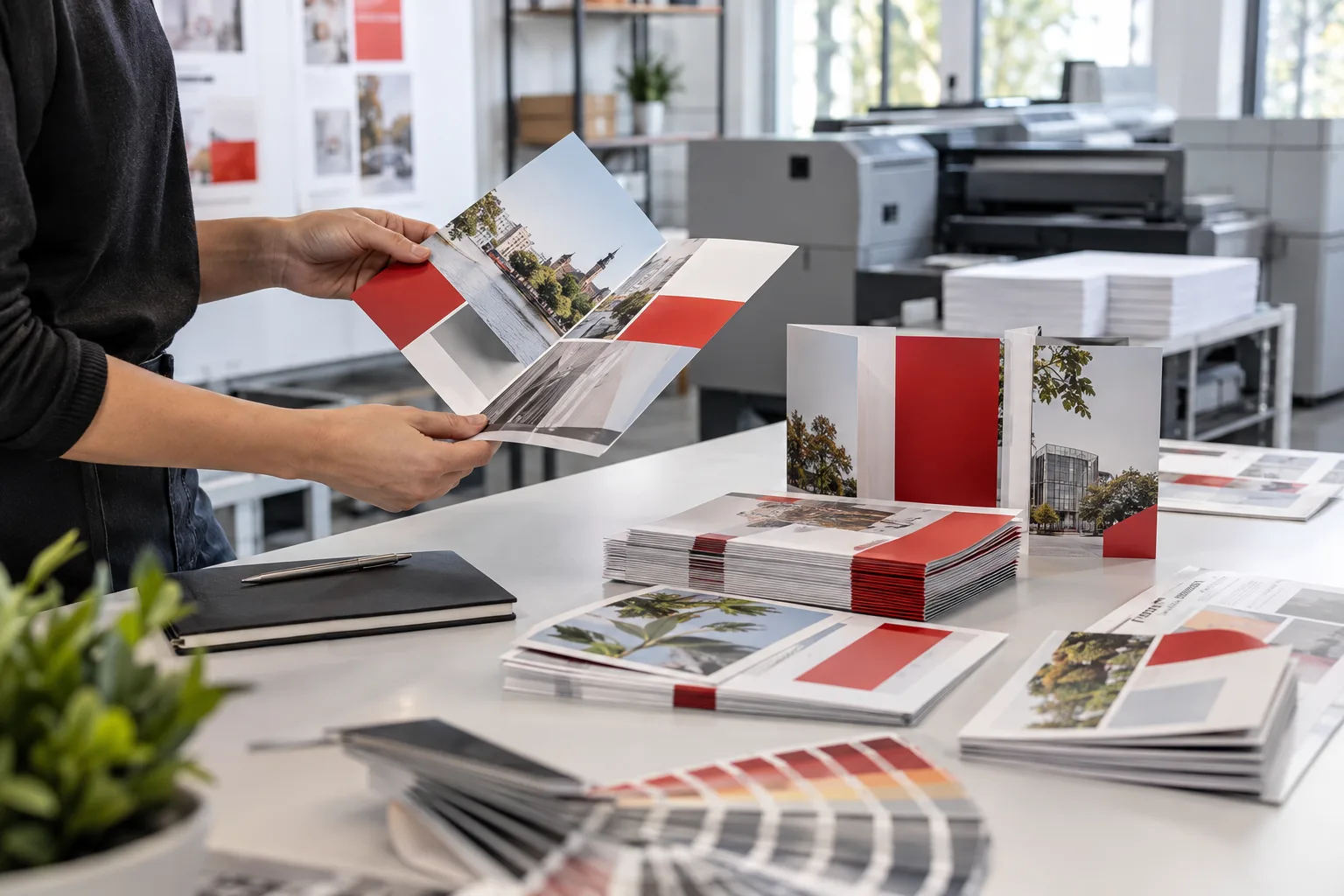
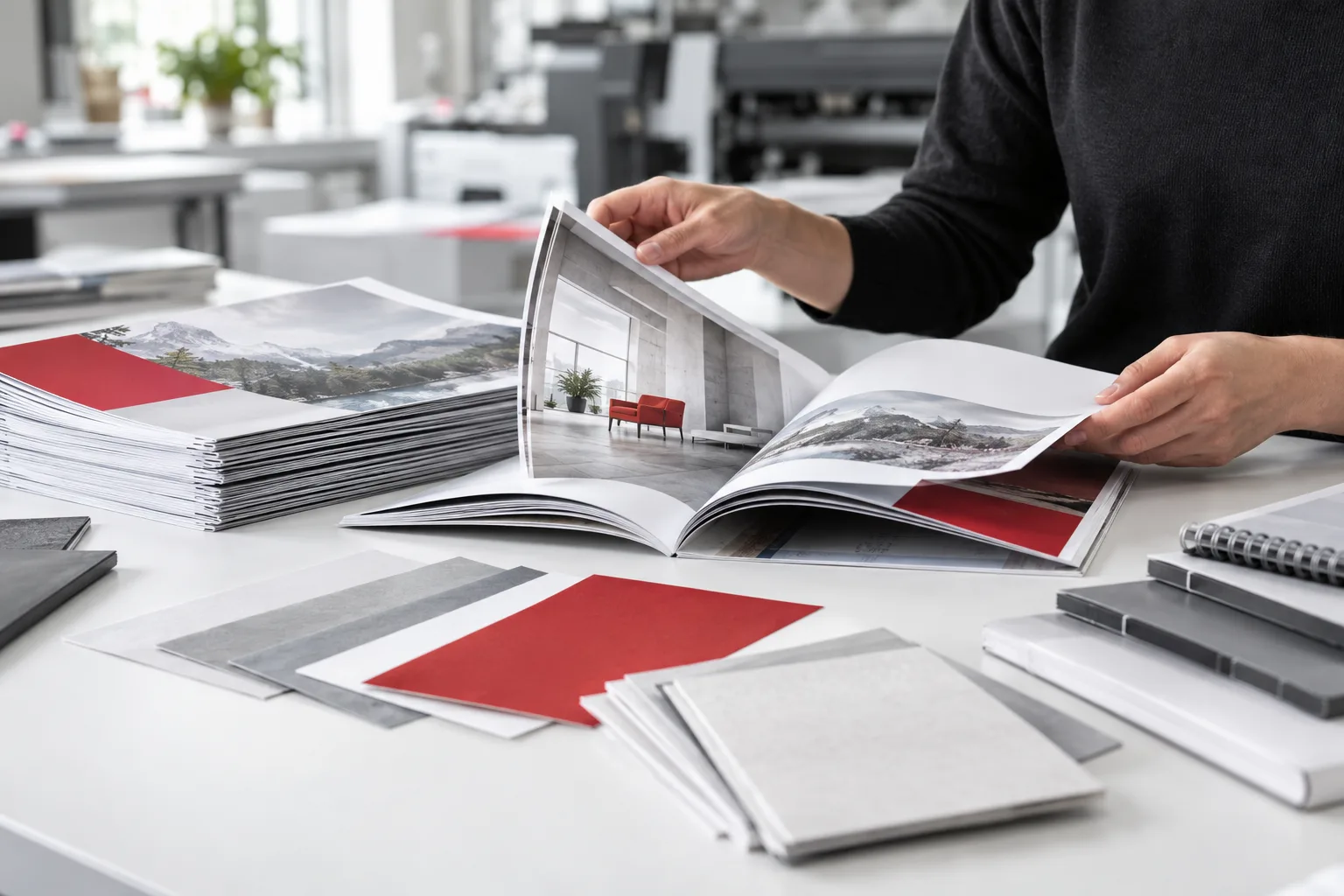
The most common format is DIN A6 (105 × 148 mm), which is handy and cost-effective. DIN long (99 × 210 mm) or DIN A5 (148 × 210 mm) provide more space for information. Recommended paper types are coated papers weighing 135 to 170 g/m², available in matte or glossy finishes depending on the desired look. Premium flyers use heavier papers starting at 200 g/m².
Which printing methods are best for business cards and flyers?
The choice of printing method depends on quantity and quality:
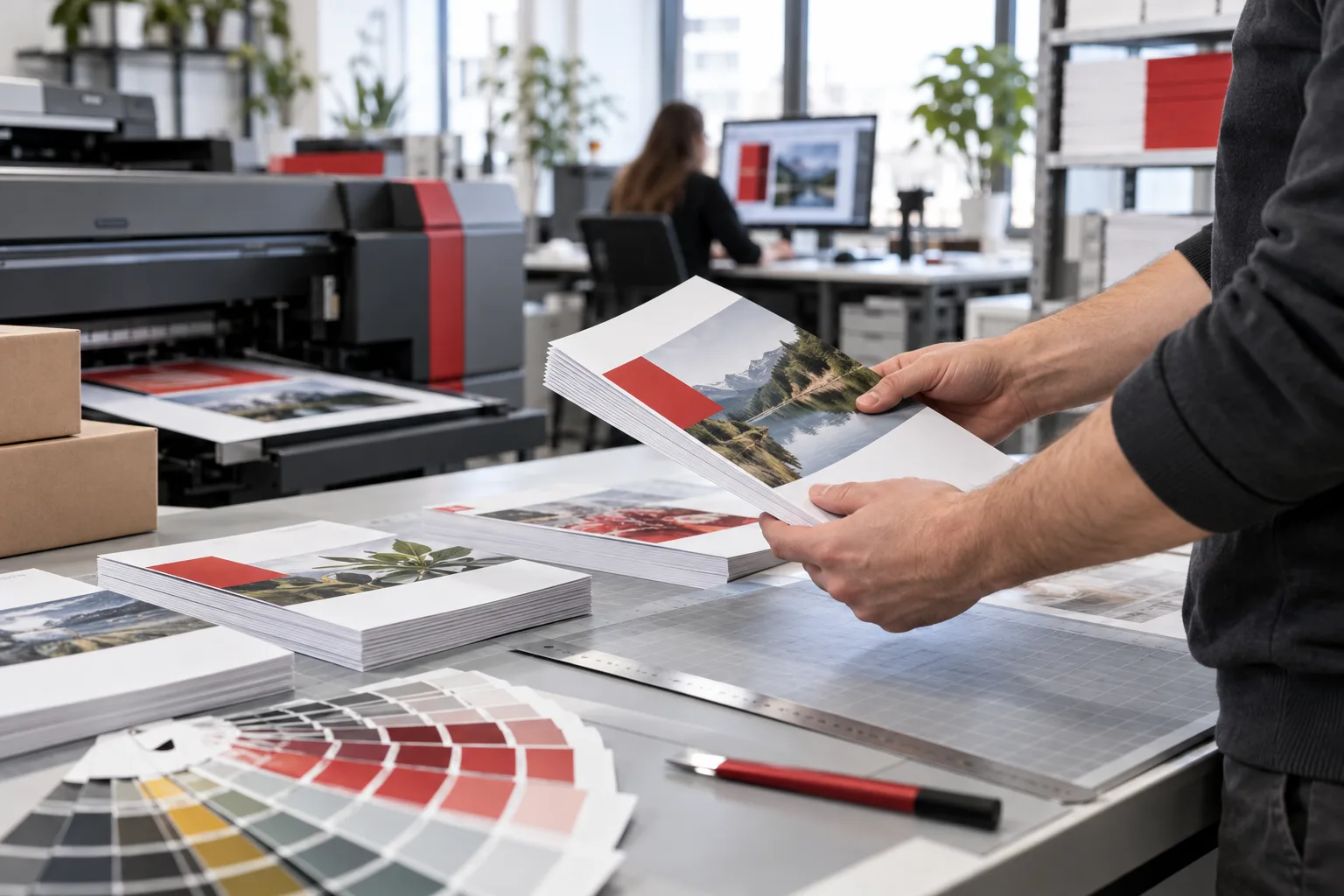
- Digital printing: Ideal for small to medium runs, fast and cost-effective. Perfect for personalized flyers and business cards.
- Offset printing: Offers very high quality and color accuracy, economical for large quantities.
- Screen printing: Mainly used for special effects and textile printing.
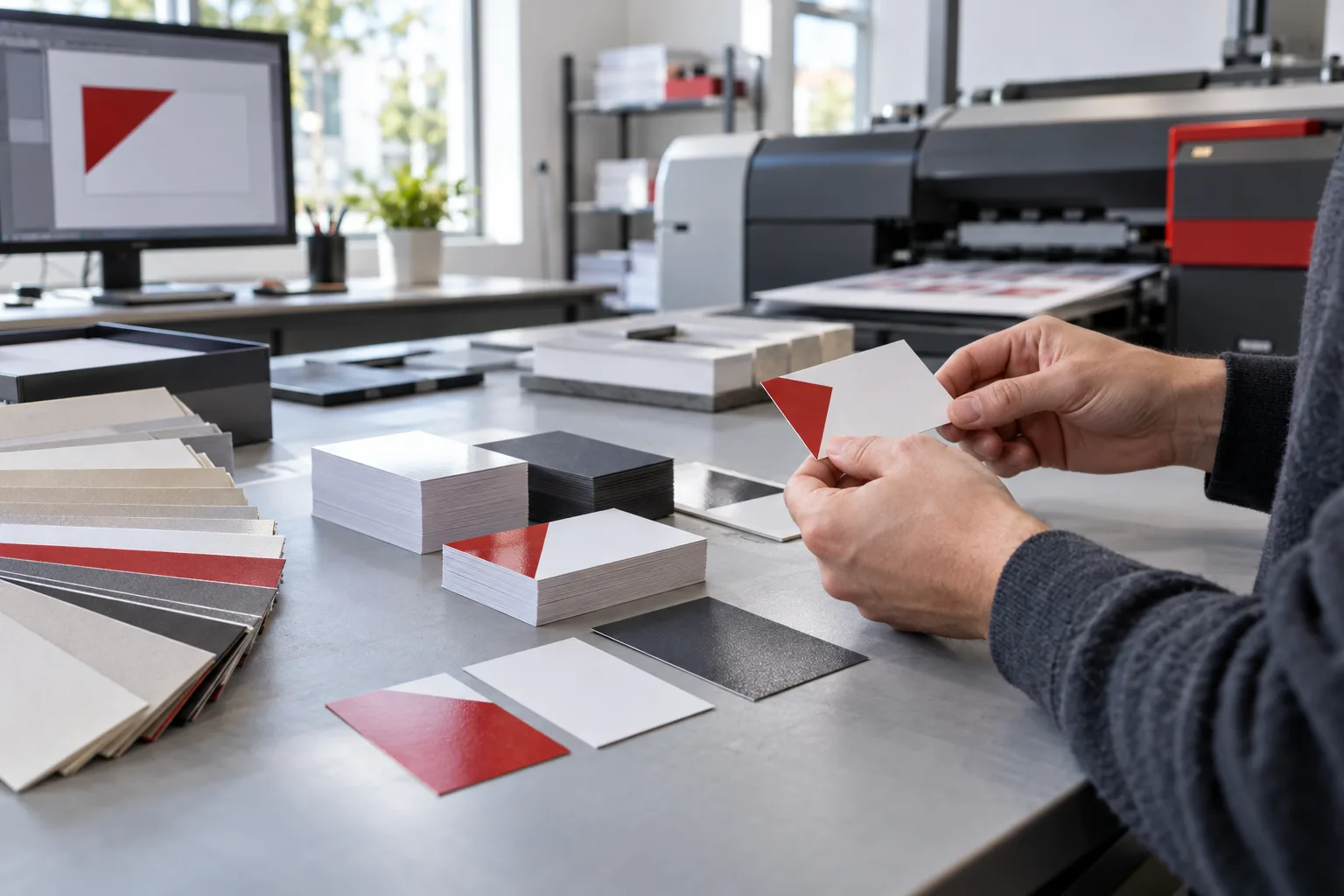
For business cards, offset or digital printing with paper weights of 300 to 400 g/m² is standard. Flyers typically use 135 to 170 g/m². Finishes like varnish or embossing enhance tactile feel and appearance.
How do I design effective flyers and business cards?
A clear structure, concise text, and appealing images are key. Ensure a consistent design using your company colors and logo. Use impactful headlines and a clear call-to-action such as contact details or a QR code. From prepress experience: print files should be created in CMYK with sufficient resolution (at least 300 dpi) to guarantee the best print quality.
How do textile printing and business cards complement your flyer campaign?
Printing business cards is an essential part of your corporate identity, building professionalism and trust. Textile printing allows your logo and messages to appear on workwear, club T-shirts, or promotional items. This creates a unified look that strengthens your brand. MYPOINT offers high-quality business card and textile printing services.
What costs should you consider when printing flyers?
Costs vary depending on quantity, format, paper, and printing method. Small runs using digital printing are cheaper, while larger quantities are more cost-effective with offset printing. Additional services like design, proofs, or finishes increase the price. It’s worthwhile to compare offers and look for transparent pricing.
Comparison of printing methods for flyers and business cards
| Printing Method | Quantity | Quality | Price | Features |
|---|---|---|---|---|
| Digital Printing | small to medium | good | low to medium | fast production, customizable |
| Offset Printing | medium to large | very high | cost-effective for large runs | excellent color accuracy |
| Screen Printing | small to medium | high | medium to high | for special effects and textiles |
Combining flyers, business cards, and textile printing allows you to create professional and sustainable marketing. For more information and offers, visit our pages on Flyers & Brochures and Business Card Printing.
FAQ about flyer printing
- How long does flyer production take?
Production usually takes 5 to 7 business days, depending on quantity and printing method. - Can I design my flyers myself?
Yes, many printers accept finished print files. Make sure to use correct formats, color profiles, and bleed margins. - What is the difference between glossy and matte paper?
Glossy paper offers more vibrant colors and a premium look, while matte paper is more subtle and easier to read with lots of text. - How many flyers should I print?
This depends on your distribution plan. For small campaigns, 500 copies are often enough; for larger campaigns, 1,000 or more. - What paper weight is suitable for business cards?
350 to 400 g/m² is common and provides a pleasant feel and durability. - How can I use textile printing for my business?
Textile printing is great for employee uniforms, club apparel, or promotional gifts to make your brand visible.
Conclusion
Flyer printing is a simple and effective way to spread your message and reach customers and members. Choosing the right format, paper, and printing method ensures professional results. Complement your print advertising with business cards and textile printing to create a consistent brand image. MYPOINT is happy to assist you with design and printing – contact us or request a non-binding quote at Flyers & Brochures.
Frequently asked questions
How do I prepare print files correctly for flyers?
Can I print flyers in small quantities?
What are the benefits of finishes on flyers?
How does textile printing differ from flyer printing?
Which paper color is best for flyers?
How can I effectively plan flyer distribution?
flyer printingbusiness card printingprinting methodstextile printingmarketing materialssmall businesses